
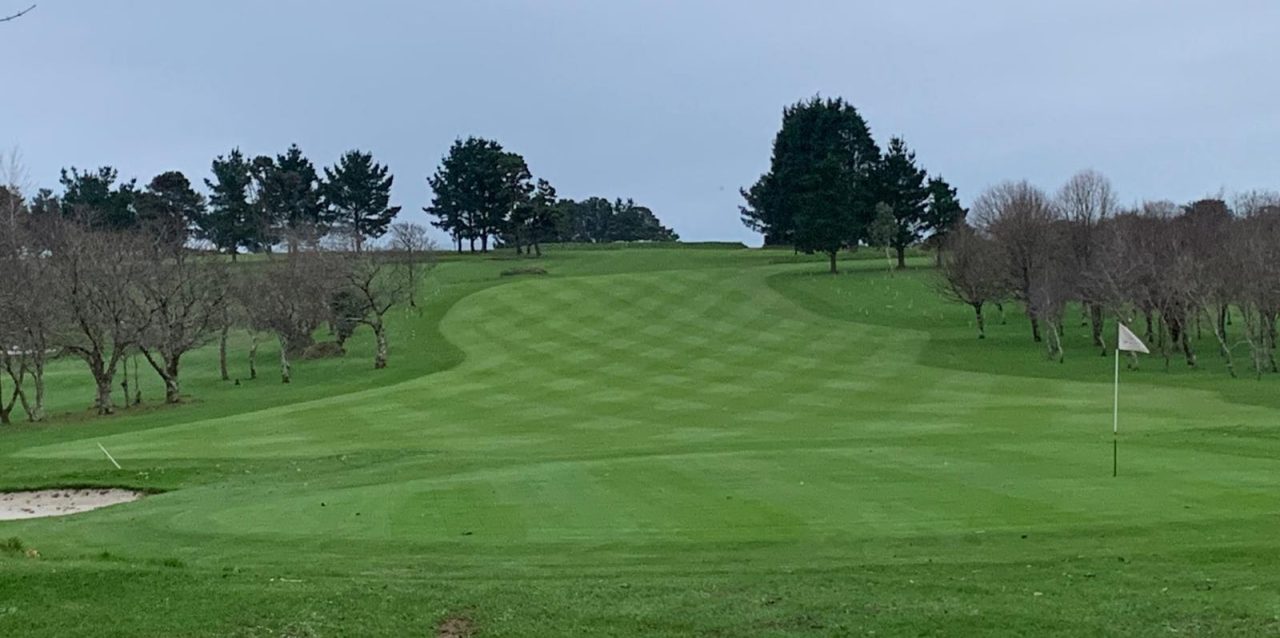
Greens
In December, rainfall was significantly lower than in the previous two years. Combined with the intensive greens work carried out this year, this allowed us to play to approximately 80% of the main greens during the month. It was particularly satisfying to allow play to the main greens for the Big Bash Event, as in previous years this event has been played almost entirely to temporary greens.
We are moving in the right direction with green conditions this winter, but we must not take our foot off the pedal. Continuing this intensive annual greens programme is essential if we are to keep progressing. Personally, I have already noticed a significant improvement in surface firmness when walking the greens this winter, which is very encouraging.
As January arrived, heavier rainfall returned and unfortunately the greens became fully saturated. To protect them from damage, we have had no option but to introduce temporary greens on the worst affected areas. While not ideal, this is necessary to preserve turf health and avoid long-term issues later in the season.
Fairways, Collars and Rough
Although growth has virtually come to a standstill, I believe it is important to maintain course presentation where conditions allow, which includes continuing to cut fairways, collars, and rough.
However, if conditions become unworkable and mowing would cause more damage than benefit, we will pause these operations until conditions improve.
Tees
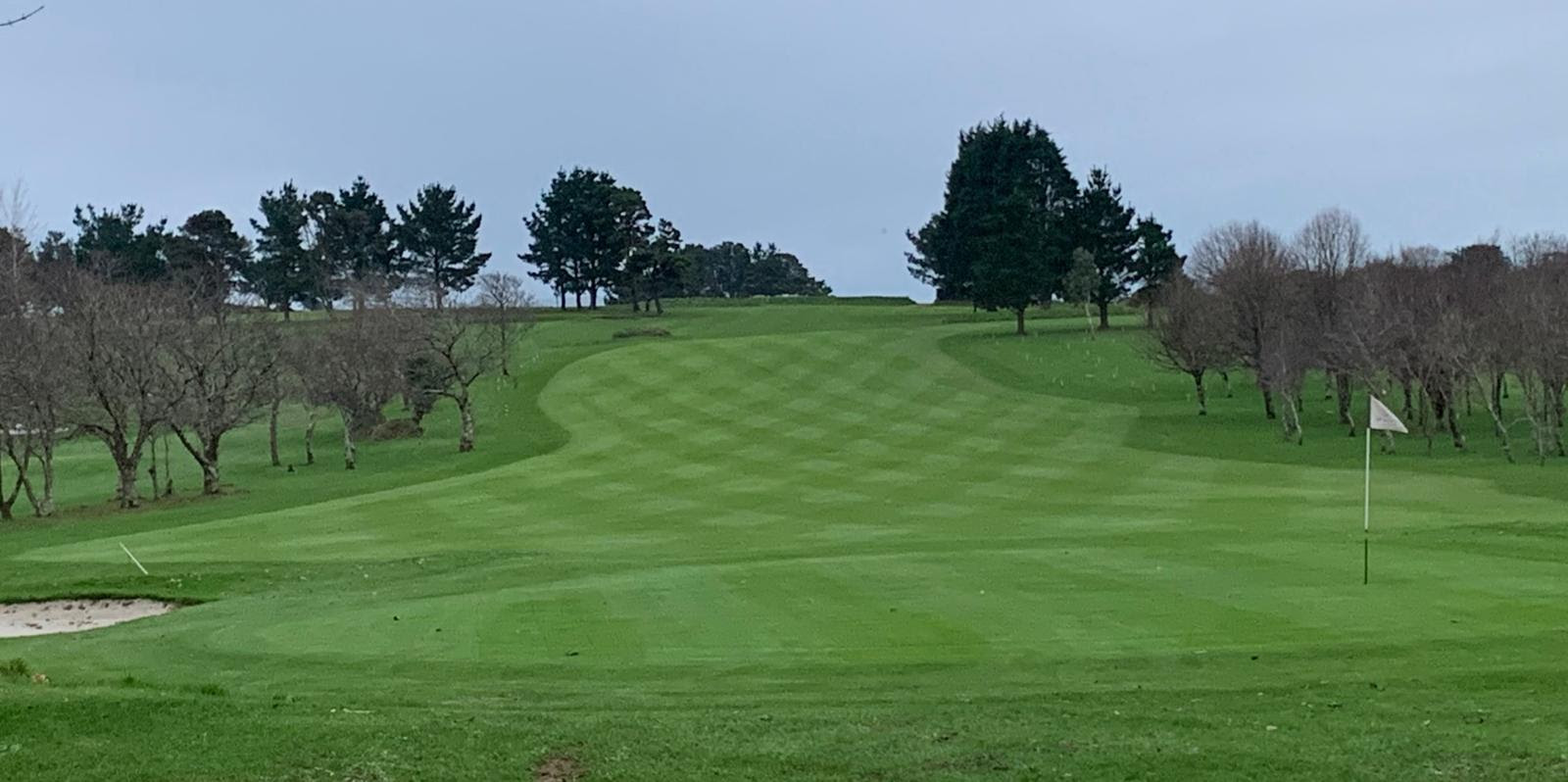
The winter mats have been doing exactly what they are designed to do. Only slight yellowing of the turf has occurred, with no divots, stud mark stress, or thinning of the tee surfaces.
Before the tees are brought back into play, they will be verti-drained, overseeded, top dressed, and given a liquid feed to ensure a strong and healthy return to play.
Bunkers
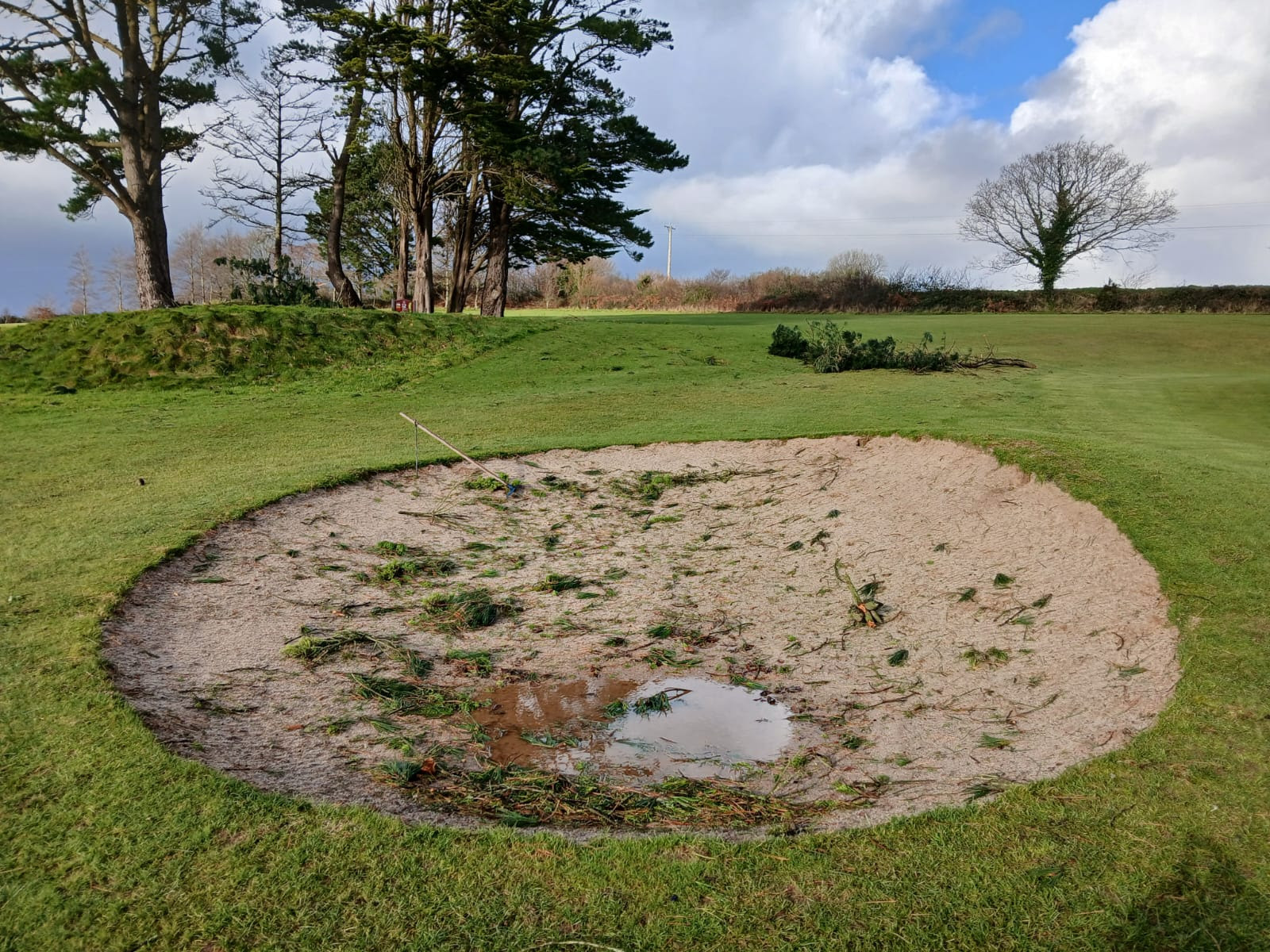
During the first week of January, a large amount of rainfall resulted in the majority of bunkers being washed out. As a result, G.U.R. (Ground Under Repair) has been implemented.
We will continue to monitor the weather forecast to identify any suitable breaks in heavy rainfall. Carrying out work to reinstate the bunkers during persistent wet weather would be an inefficient use of resources, as they are likely to be washed out or flooded again. During this period, our time is being better utilised addressing storm damage across the course.
Tree Work
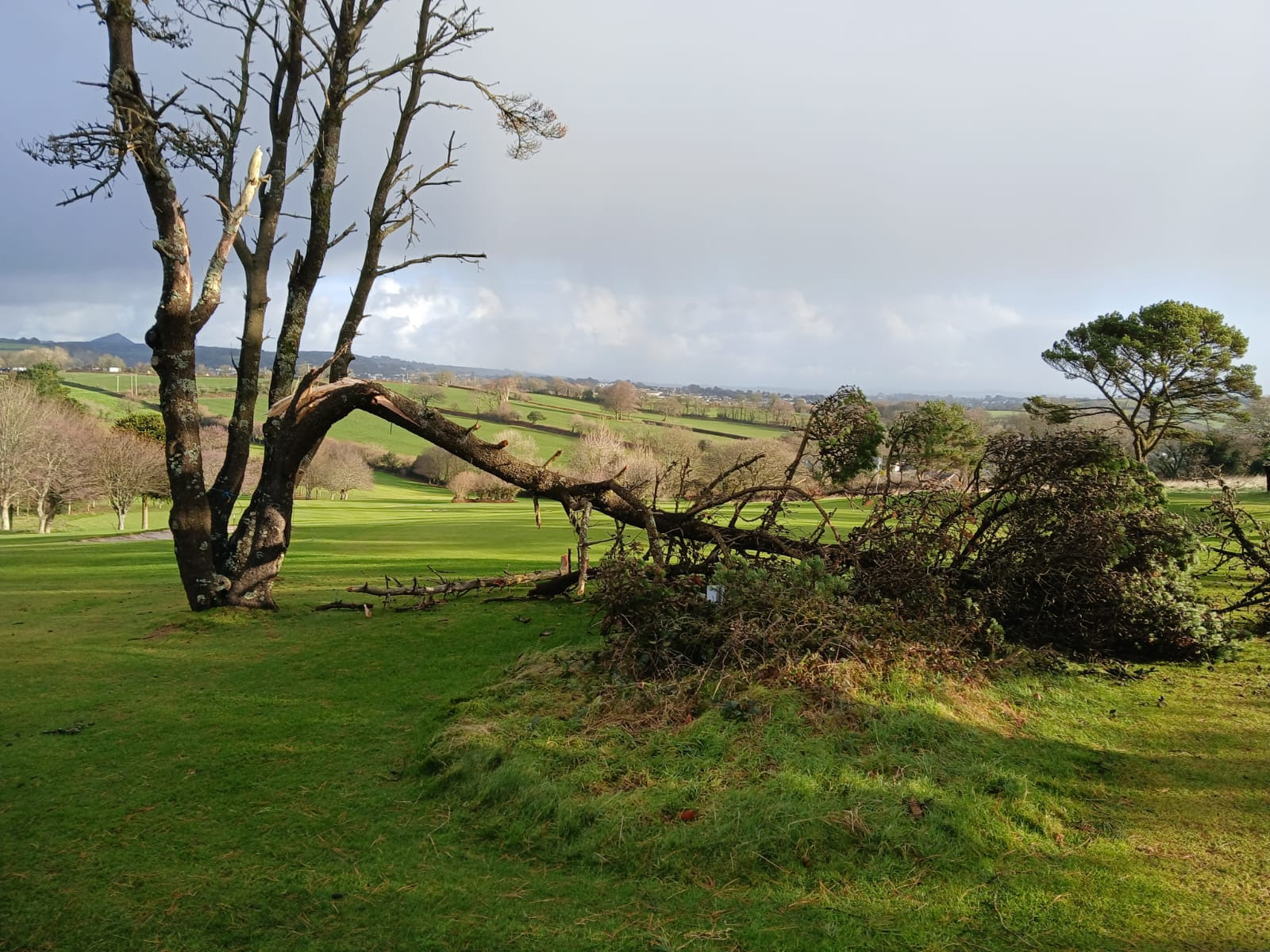
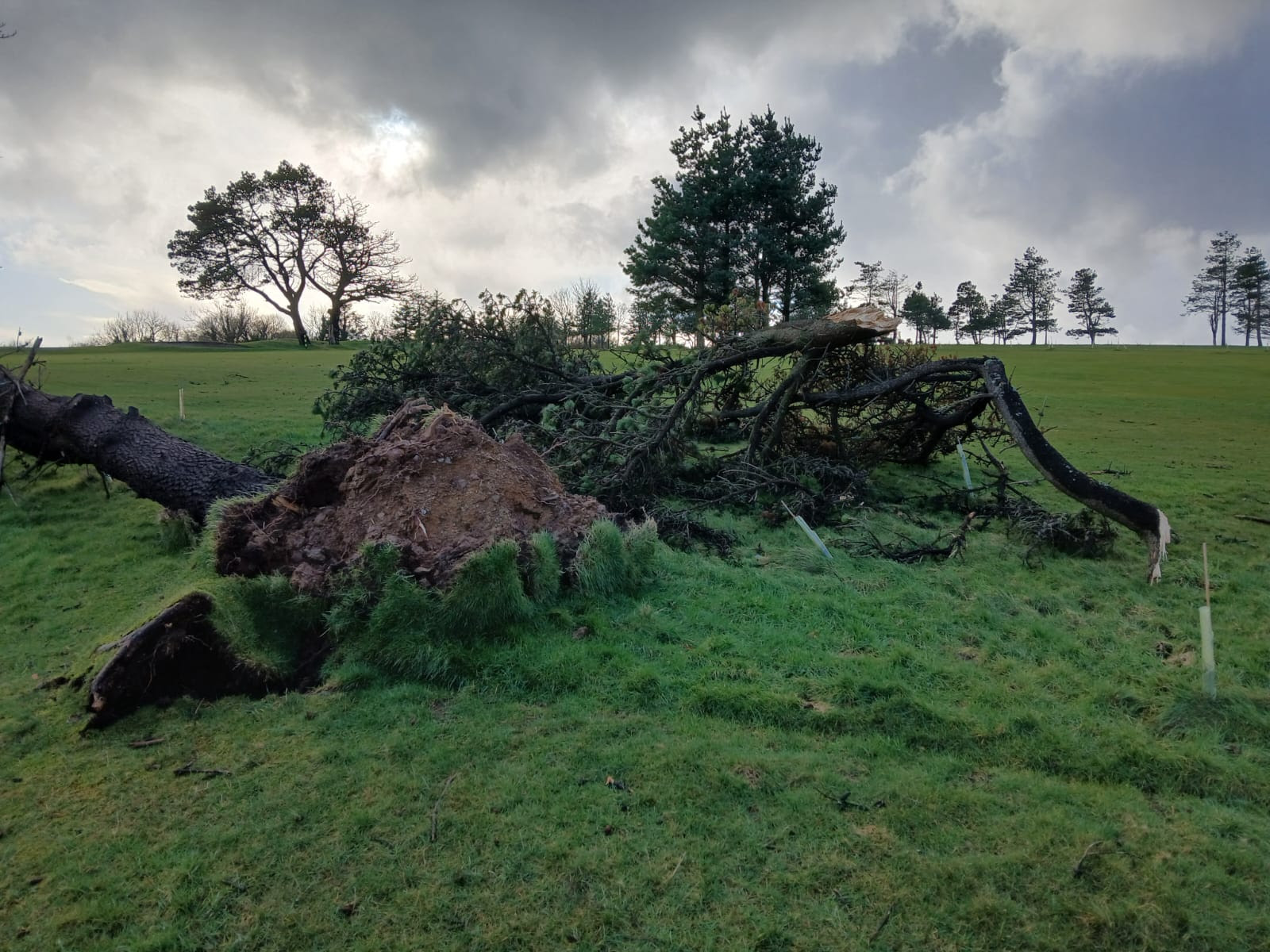
Storm Goretti resulted in 13 trees being lost across the course. While this is significant, it is worth noting that nearby clubs such as Truro suffered far greater losses, with close to 100 trees affected.
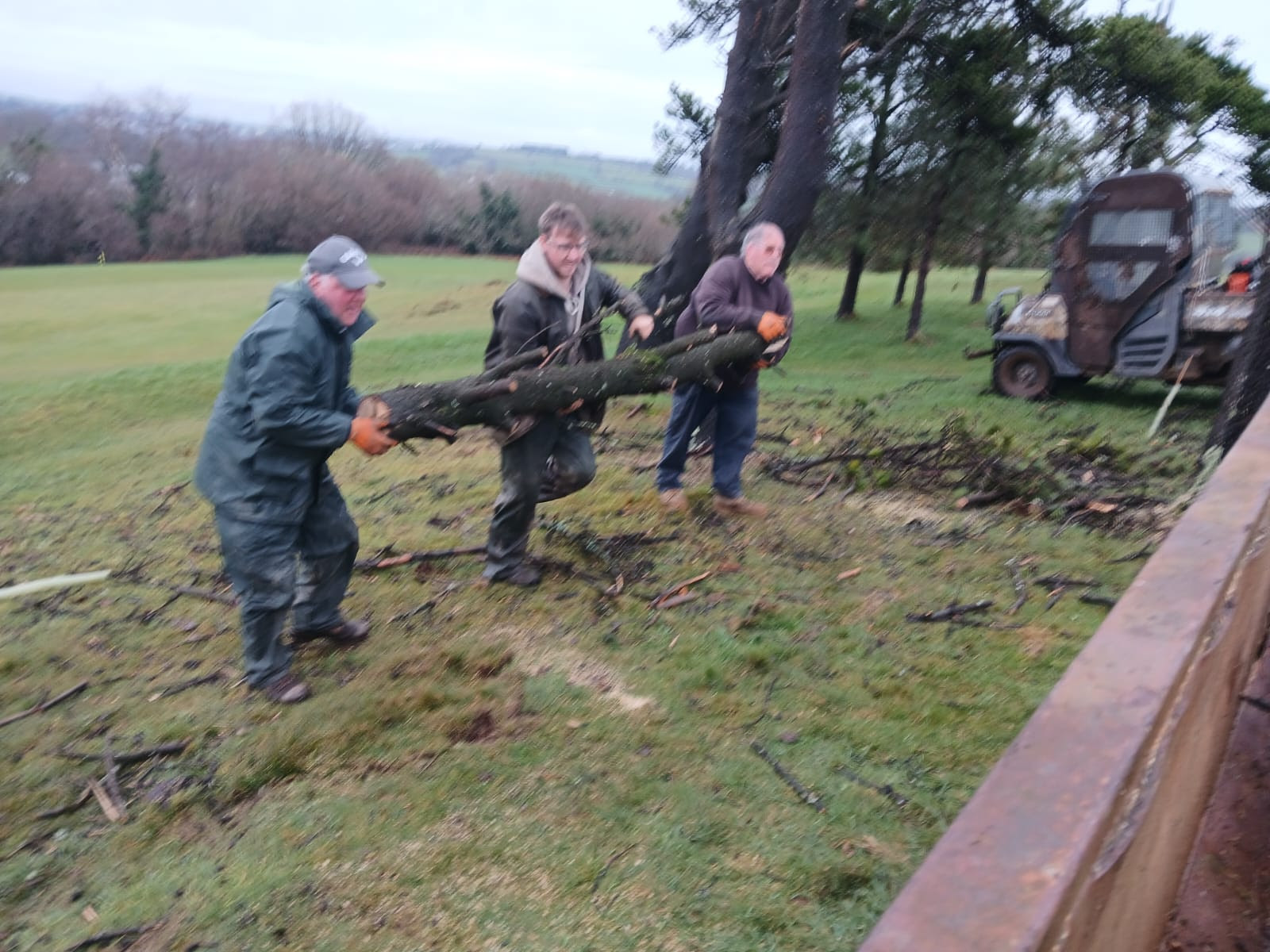
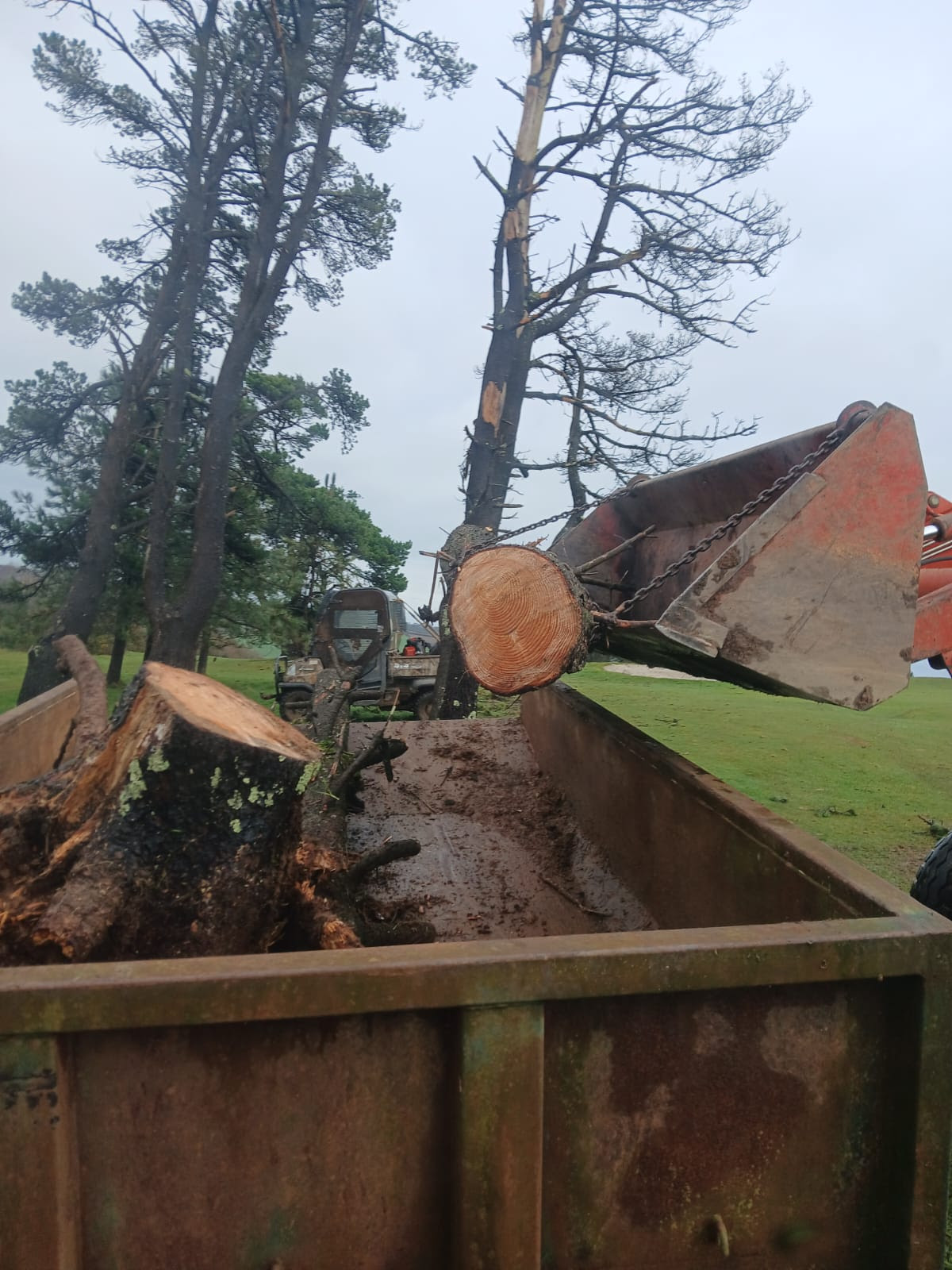
Our clean-up operation took approximately two weeks and accounted for a large proportion of the team’s time. I would like to thank my staff for their hard work and efforts throughout this period. A special thank you also to Max and Marcus Penprase for their help cutting up fallen trees on the 12th, and to Stephen Humphreys for giving up his time to assist with clearing debris.
As we move firmly into the New Year, I am very pleased with the progress we have made across all areas of the course. We will continue pushing forward into Spring with the aim of delivering the best possible playing surfaces for both members and visitors.
Happy golfing!
Matt
Head Greenkeeper