
Bunkers
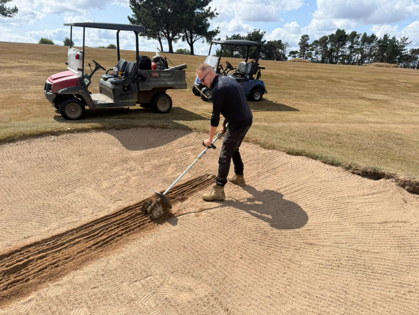
Ahead of Golf Week, significant time and effort were dedicated to improving sand distribution throughout the bunkers. Nearly every bunker was cultivated to approximately 3 inches using either a stiff rake or rotavator, loosening compacted sand before it was redistributed evenly across the bunker.
All bunkers were also weeded, stones were removed as far as practicable, and the surrounding edges were strimmed. Volunteer support was essential in completing this work ahead of Golf Week so thank you to everyone that helped!
Golf Week
Throughout Golf Week, our priority was to present the course to the highest possible standard each day. Daily operations included mowing the greens, raking bunkers, moving tee markers, emptying bins and tidying hole edges. Pin positions were changed every other day, alongside grooming the greens to improve smoothness, trueness and pace.
Once the morning preparations were complete, the team remained off the course for the duration of the competitions to avoid impeding golfers experience. This time was used to service our whole machinery fleet, as well as sort, clean, and reorganise the sheds and crim room after a prolonged period of limited attention.

Machinery
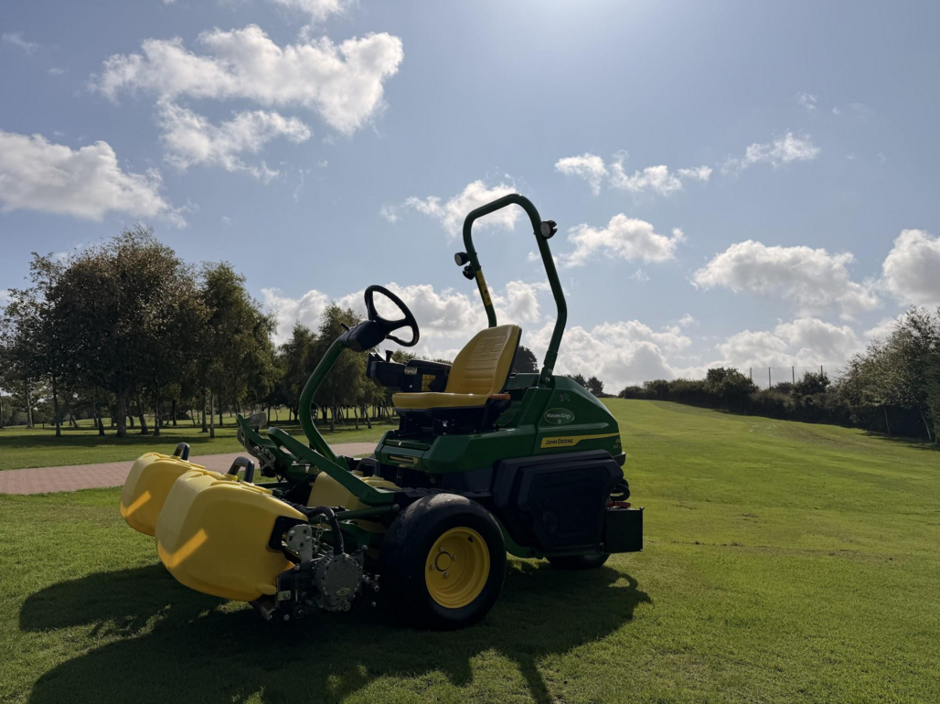
Greens Mower – Over recent months, we trialled both Baroness and John Deere greens mowers. Following multiple demonstrations, the John Deere was selected as the best fit for our requirements. We have now purchased and taken delivery of the mower, which should provide improved consistency, reliability and quality of cut across the putting surfaces.
Our existing greens mower has now completed approximately 2,720 operating hours. As the machine has aged, general wear is becoming increasingly evident, with a number of key components approaching replacement and reliability becoming more of a concern. As the greens are cut almost daily, having a dependable machine for this key area of course maintenance is essential.
Importantly, the existing mower will remain in use and will be utilised predominantly on aprons and approaches, as well as with our GreenTek units, allowing us to make better use of both machines across the course.
The investment also supports the recommendations within Bruce Jamieson’s 2026 Agronomy Report, which identified an additional greens mower as an obvious operational requirement.
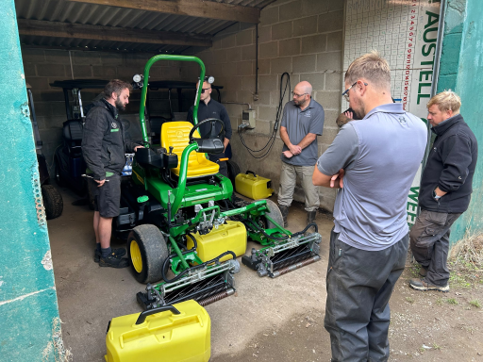
Greentek Thatchaway System - Our new Greentek Thatchaway units arrived ahead of Golf Week. This allowed us to use the MicroGroomer cassettes to help produce smoother and truer putting surfaces throughout the week. We also purchased Sarel Roller and Verticut cassettes, all of which will support our ongoing thatch-management programme.
The Sarel Roller provides shallow aeration while improving the penetration of wetting agents and water from rainfall or irrigation, with minimal impact on ball roll. The MicroGroomers help manage lateral leaf growth and surface density, while verticutting more directly targets thatch build-up beneath the turf surface.
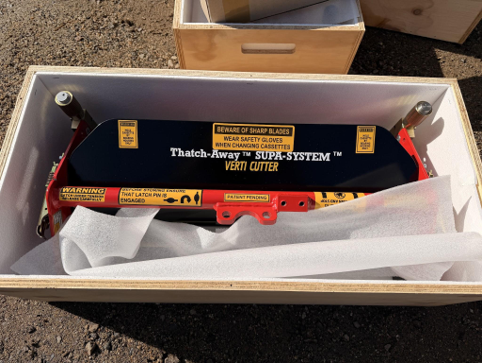
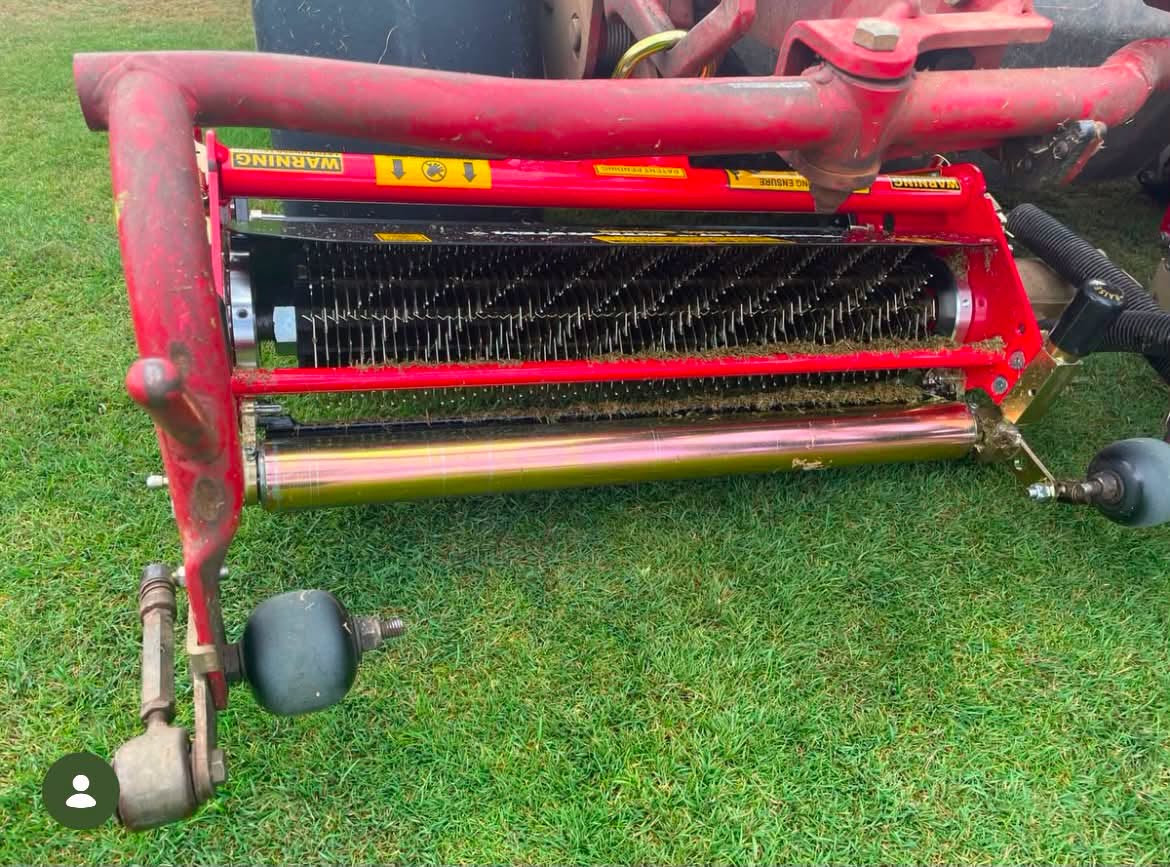
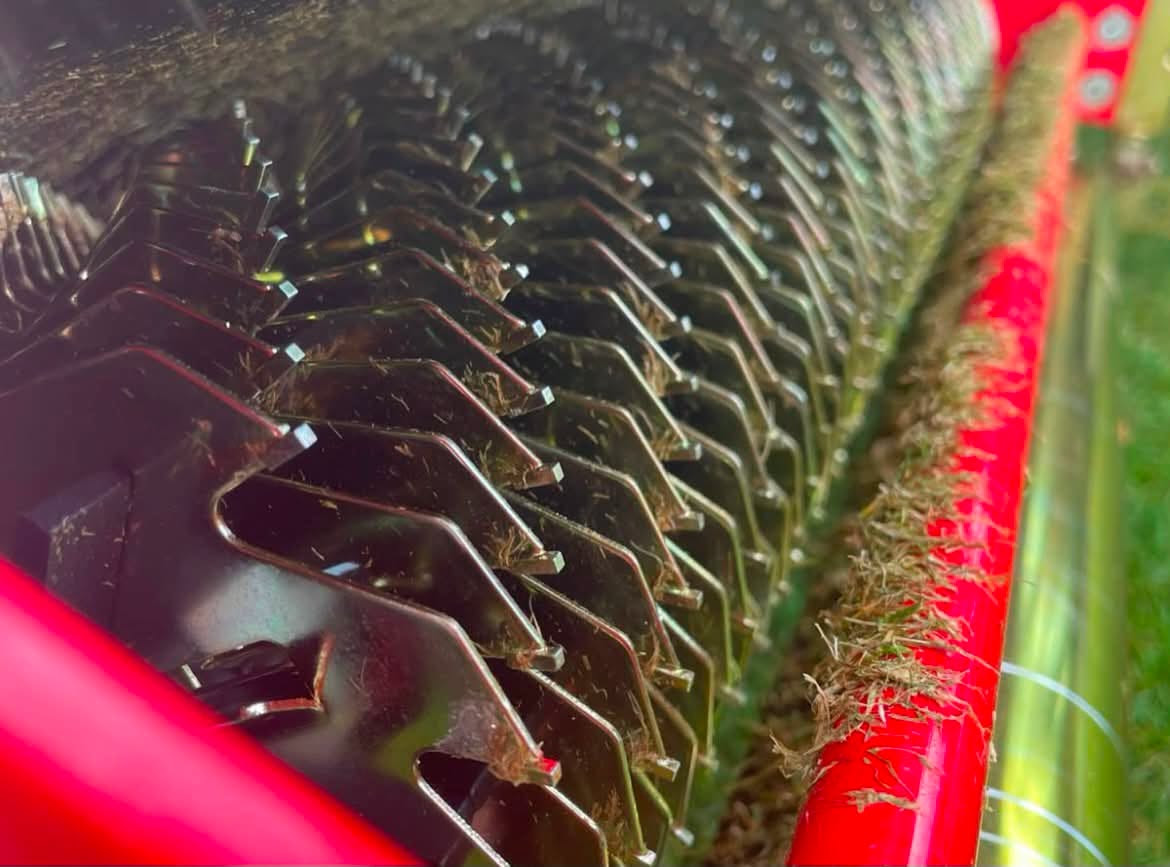
DynaCore Units - After several months awaiting repair, the damaged DynaCore units have now been returned. All greens staff have received full external training from GreenTek themselves in the correct setup and operation of these units.
These units will provide us with an efficient form of shallow aeration and thatch removal. This will be an essential process for the maintenance program throughout next year. Paired with pencil tining to a depth of up to 8 inches we will be able to extensively aerate with minimal surface disruption.
Maintenance Week
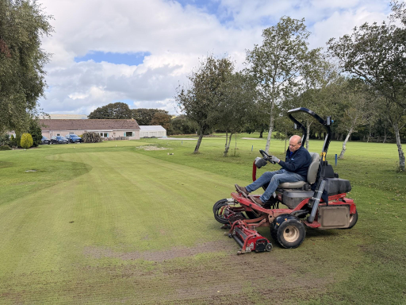
As this was my first maintenance week at St Austell Golf Club, and following a year in which relatively little aeration work had been undertaken, I chose to carry out a comprehensive programme of greens renovation. This included two forms of aeration at different depths and provides a strong starting point for a more consistent aeration and thatch-management programme.
This volume of work would not have been possible without the considerable time and support provided by our member and regular volunteer, Simon Woolnough. A sincere thank you is due to Simon for his continued help.
- Verticut - We began by verticutting at -1 mm, just below the surface, to reduce lateral leaf growth. This was completed using our new Greentek Thatch-Away units. Verticutting, alongside use of the MicroGroomer cassettes, will become a more regular part of our thatch-management programme.
- Mow - A final mow was completed to remove debris left by the verticutting operation. No further mowing was carried out during the renovation period in order to protect the mower from sand, allow seed to settle, allow fertiliser to wash into the soil and give the greens valuable recovery time.
- Blow Debris - Remaining debris from verticutting and mowing was cleared ahead of hollow coring with the Toro ProCore.
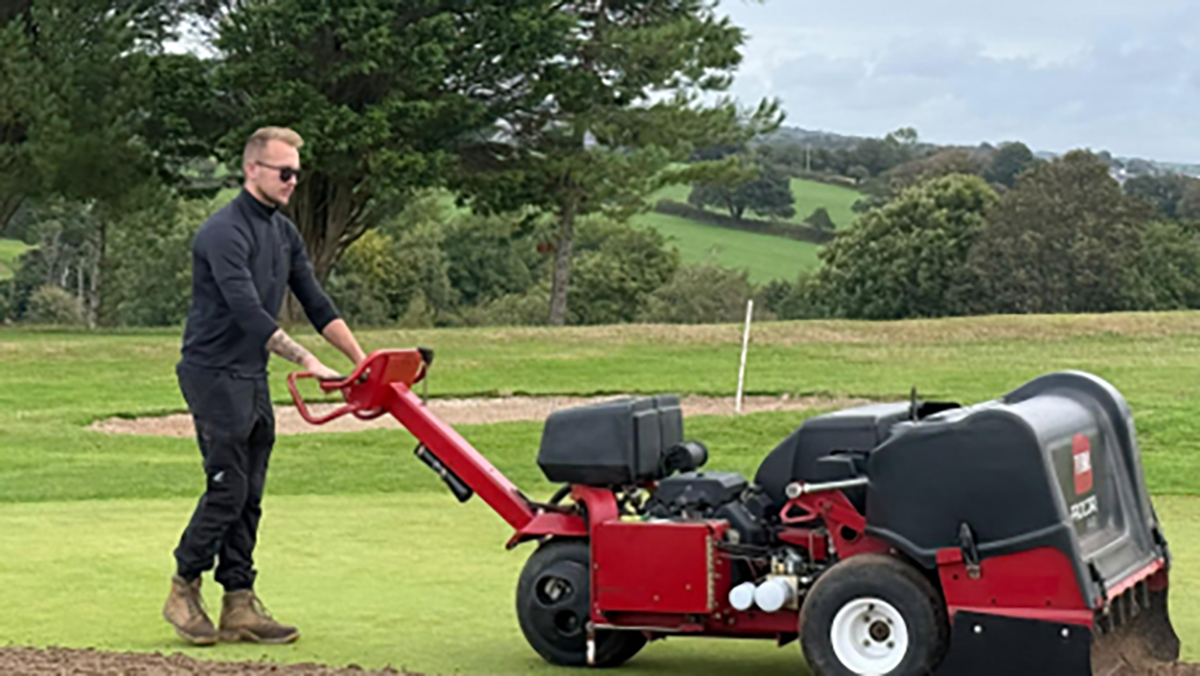
- Hollow Core - Hollow coring is the most direct method used in this programme for removing thatch from the soil profile. A Toro ProCore was hired and the greens were cored to a depth of approximately 3 inches. Our DynaCore units reach approximately 1 inch and are therefore better suited to more regular, lighter maintenance.
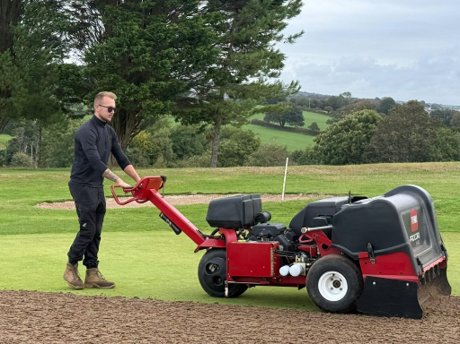
- Collect Cores - The extracted cores were collected using a hired Baroness Core Collector. This significantly reduced the time required compared with blowing and collecting by hand, allowing the team to progress more efficiently to the next stage of the renovation.
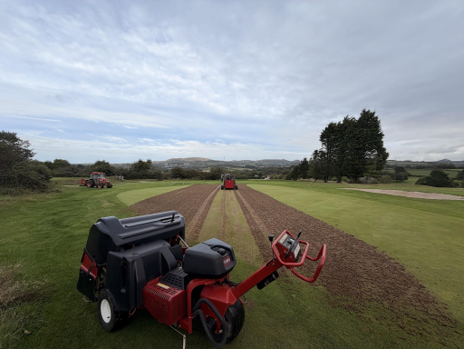
- Blow Debris - Although the core collector removed the majority of material, a final pass with a blower was still required to leave the surfaces clean and ready for the next operation.
- Verti-Drain - We also used the Verti-Drain to provide a second stage of aeration at a greater depth. Pencil tines were used to approximately 8 inches, creating minimal surface disturbance. Going forward, these tines will be used more regularly alongside the DynaCore units to strengthen the aeration programme and support thatch management.
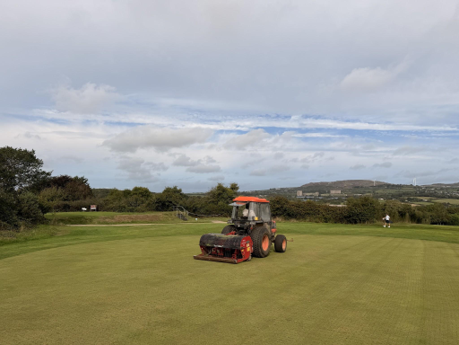
- Seed - Some greens had not fully recovered from damage sustained last winter, so bare areas were heavily patch-seeded by hand. Targeted patch seeding was chosen instead of blanket overseeding to concentrate seed where it was most needed while reducing the overall quantity required.
- Top-Dress - Given the limited top-dressing carried out earlier in the year, a heavier application was made during maintenance week. Approximately 40 tonnes of sand were applied across the greens.
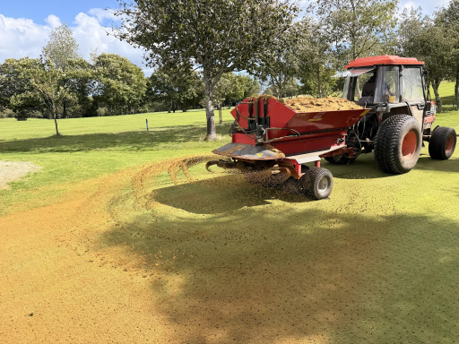
- Brush-In Sand - The sand was brushed in to ensure even distribution, fill minor low points caused by wear or pitch marks, help fill the aeration holes and provide a protective covering for the seed.
- Fertilise - The final treatment was the application of fertiliser to support recovery. Ideally, this would have been applied on the Thursday or Friday ahead of Maintenance Week so that it could begin taking effect sooner; however, weather conditions and disease activity meant this was not appropriate.
- Recovery Period - Allowing the greens to rest and recover is an essential part of the process. This gives the seed time to establish, the fertiliser time to take effect and the sand time to settle. The first mow of the greens was carried out on the Wednesday following Maintenance Week.
Looking Ahead
Following the extensive work completed during Maintenance Week, our immediate focus is now on recovery and establishment. Members may continue to see sand on the surfaces and evidence of the aeration work while the greens recover. This is expected and is an important part of the process. Regular aeration, grooming and thatch management will continue throughout the year, with the aim of improving the consistency, health and resilience of our putting surfaces over the longer term.
Winter Greens
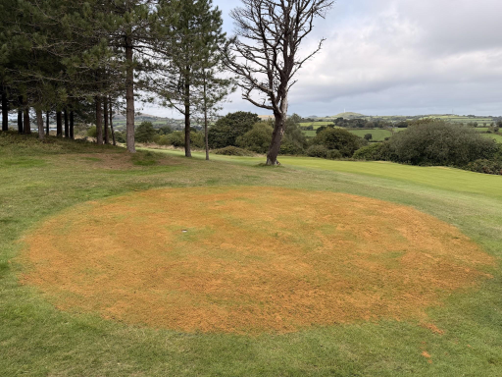
Following Maintenance Week we began renovations on the Winter Greens. We made use of our newly refurbished DynaCore units, followed by seeding and a heavy dressing of sand.
The Wider Course
Across the wider course, fairways, tees, aprons and temporary greens have been fertilised to support healthy growth and maintain turf quality. Tees, aprons and temporary greens have also been overseeded to improve grass coverage and aid recovery in areas experiencing regular wear. The team are also continuing with the removal of brambles across the course, helping to keep these areas managed and improve the overall presentation of the course.
Thank You
A sincere thank you to every member who has volunteered their time. Your support is making a significant difference to both the condition and presentation of the course.

Danny Gallagher
Course Manager
St Austell Golf Club